+86-18957717686


Picking out the right Waterproof Push Button Switchis more than just about looks or getting a low price. It’s really about protecting your equipment from rain, dust, splashes, and everyday mishaps. For folks shopping from all over the world, the decision isn't just a matter of appearance — there's more to consider. You’ve gotta look into the Enclosure design, sealing quality, contact materials, mounting size, and how well it switches, too.
In this guide, I’ve rounded up seven solid options suited for control panels, outdoor lighting, Industrial machinery, marine gear, or public facilities. Remember, the key is to match each product to its environment. A high IP rating is helpful for showing resistance to water and dust, but it doesn’t tell the whole story. Things like cable entry points, gasket compression, temperature swings, and how you maintain things all play a part in how well it really performs.
Pro tip: details matter, even the tiny ones.
When you're comparing different products, experienced buyers always ask for datasheets, detailed drawings, test results, and samples before they commit to buying large quantities. Brands like APEM, NKK Switches, E-Switch, and Otto Controls are pretty well known in the switch world. But just because they’re big names doesn’t mean their switches will work perfectly in every situation. A switch that does great in testing labs might not hold up so well near salty seawater, vibrations, harsh cleaning chemicals, or constant impacts. That’s something easy to overlook.
Now, I want to make it clear — this isn't a one-size-fits-all list. Every country or project might have specific requirements—like certification standards, voltage needs, import paperwork, and local installation rules. It’s always best to double-check these details with qualified engineers or your suppliers.
The seven options I’ve listed focus on reliability, user feedback, clear specs, and overall value in different setups. Sure, there are compromises — that’s just part of the game. Ultimately, the best switch is the one that actually fits your environment perfectly, not just the one that looks the strongest. Sometimes, the simplest or most practical choice is the smartest one in the long run.

A truly waterproof switch is more than a sealed button. It needs controlled protection against water, dust, pressure, and repeated operation. IEC 60529 defines IP ratings through laboratory tests. An IP67 device must resist dust and temporary immersion up to one metre for 30 minutes. IP68 requires deeper or longer immersion, but the manufacturer must state the exact conditions. That detail matters.
For a Waterproof Momentary Push Button Switch, inspect the seal around the actuator, threaded body, and rear terminals. A silicone gasket should sit flat, without twisting or visible gaps. The enclosure also needs stable cable entry protection. In practical installations, water often enters from the back, not the button face. NEMA 250 adds useful enclosure guidance, including protection against hose-directed water and corrosion for Type 4X designs. Still, a rating is not magic.
Ask for test evidence, not only a product label. Check test methods, immersion time, water temperature, and whether the switch was tested after mechanical cycling. A button may pass a short immersion test, then fail after thousands of presses. That weakness is easy to miss. I would also examine screw torque and gasket compression during installation. Small errors can defeat excellent engineering. Dust, salt residue, and cracked seals deserve regular inspection, especially on outdoor control panels.
Choosing among the 7 best waterproof push button switches requires more than checking a product photo. Start with the IP rating, defined by IEC 60529. IP65 resists dust and water jets, while IP67 also supports temporary immersion. IP68 requires a stated depth and duration, so the number alone is incomplete.
A reliable Waterproof metal push button switch should list contact rating, electrical life, operating force, and panel-cutout size. For control cabinets, confirm whether the rating applies to resistive or inductive loads. A 3 A rating may not safely control a motor directly. Review the datasheet carefully. Small details matter.
Material selection also affects field performance. Stainless steel suits outdoor panels, washdown areas, and humid transport equipment. Check the terminal type, insulation resistance, and operating-temperature range. The 2024 industrial automation market analysis from MarketsandMarkets projects growth from about 191.9 billion US dollars in 2023 to 265.4 billion by 2028, at roughly 6.7% CAGR. That expansion increases demand for dependable human-machine controls, but demand does not replace testing. I would request IP test evidence, salt-spray results, and cycle-test conditions before comparing prices. A switch tested at room temperature may behave differently beside a hot enclosure. Also verify gasket compression after installation. This is often overlooked.
Choosing a Waterproof Button Switch requires more than checking a sealed front panel. Global buyers should compare protection ratings, contact materials, mounting depth, and terminal styles. The seven practical options include momentary, latching, metal, plastic, illuminated, emergency-stop, and high-current push button switches. Each design serves a different control task.
A momentary switch works well for alarms, test panels, and machine controls. A latching switch stays active after pressing, which suits simple power functions. Metal versions offer a firm, cool surface and better resistance to impact. Plastic versions reduce weight and cost. Illuminated models improve visibility inside dim cabinets. Emergency-stop designs need a clear release action and reliable contacts. High-current types require suitable ratings, thicker wiring, and secure terminals.
Tips: Check the IP rating, but do not trust it alone. Inspect the gasket, cable entry, and panel cutout. A 22 mm hole may not fit every model. Confirm voltage, current, operating temperature, and switching life before ordering. Salt air, dust, and frequent washing can expose weak sealing. I have found that installation quality often matters as much as the switch itself. Even a strong seal can fail when the washer sits unevenly. No single switch fits every panel. Test a sample under real conditions before committing to a large shipment.
Choosing among the 7 best waterproof push button switches starts with the application, not the appearance. A momentary switch suits alarms, pumps, and machine controls that operate only while pressed. A latching switch remains active after release, making it practical for lights or power circuits. This small distinction prevents inconvenient rewiring later.
Check the environment carefully. An IP65 switch resists dust and water jets, while IP67 tolerates temporary immersion under stated conditions. IP68 requires a manufacturer-defined test depth and duration. The rating can fail if the panel cutout, gasket, or cable entry is poorly sealed. Measure twice. Mounting depth matters too. A gloved operator may need a larger actuator, while a compact enclosure may require a short-body design. Plastic housings can reduce weight, but metal housings often provide stronger impact resistance and tactile feedback.
Electrical details deserve equal attention. Match the switch rating with the actual load, including motor startup current. For low-voltage control systems, a separate relay may protect the switch contacts. Choose illuminated versions only when the indicator remains visible in bright sunlight or dark equipment rooms. Marine, outdoor, and washdown applications may also require corrosion testing and wider temperature performance. I have seen otherwise suitable switches fail because condensation was ignored. Laboratory data helps, but real installation checks are still necessary. A sample test with gloves, water spray, vibration, and repeated operation can reveal problems that a catalog cannot.
When selecting a waterproof push button switch, inspect the IP rating, panel cutout, and gasket quality together. A high rating cannot protect wiring installed carelessly. Measure the mounting hole with a caliper, then confirm the panel thickness matches the supplied nut and seal. Leave enough clearance behind the panel for terminals and cable bends. Tighten the nut firmly, but avoid crushing the gasket.
Disconnect power before wiring. Check the switch’s rated voltage and current against the actual load, especially motors, pumps, and LED drivers. Inductive loads may create a higher starting surge than expected. Use a suitable fuse and place it near the power source. Keep positive and negative conductors clearly separated, and secure wires with ferrules or approved terminals. The button may be sealed from the front, but its rear connections still need enclosure protection. Test continuity before energizing the circuit.
Maintenance is simple, but often neglected. Inspect the gasket for flattening, cuts, or dirt after vibration, washing, or outdoor exposure. Look for green corrosion, loose terminals, and moisture inside the enclosure. A dry cloth is safer than aggressive solvents. Do not assume “waterproof” means suitable for every chemical, temperature, or immersion condition. Check the manufacturer’s test conditions and local electrical requirements. One detail can be missed: condensation may enter during temperature changes, even when rain cannot. Recheck the installation after several weeks, because early movement or heat discoloration can reveal a wiring problem.
Comparative guide based on common switch constructions and typical industry specifications. Always confirm the final datasheet, certification, and regional compliance requirements before purchase.
| Type | Typical Protection | Typical Electrical Rating | Contact Function | Mounting Details | Terminal and Wiring | Installation Considerations | Maintenance Considerations | Recommended Applications |
|---|---|---|---|---|---|---|---|---|
| 1. Sealed Metal Momentary Push Button | Commonly IP65–IP67 when correctly installed; IP67 indicates temporary immersion protection under specified test conditions. | Typically 2–5 A at 12–250 V AC/DC, depending on contact design and load type. | Momentary SPST or SPDT; circuit operates only while the actuator is pressed. | Usually 16 mm, 19 mm, or 22 mm panel cutout; threaded bushing, sealing washer, and rear nut are common. | Solder tabs, screw terminals, or quick-connect terminals. Wire the common terminal to the load input and the normally open terminal to the switched circuit. | Use the supplied gasket on a clean, flat panel. Tighten the retaining nut to the specified torque without crushing the seal. Add a fuse close to the power source. | Inspect the bezel seal, rear terminals, and cable entry periodically. Remove salt, dust, and chemicals with a damp cloth; do not use abrasive tools. | Outdoor control panels, marine equipment, vehicle accessories, and industrial start or test functions. |
| 2. Latching Waterproof Push Button | Typically IP65–IP67 at the front; rear protection depends on the enclosure and connector arrangement. | Commonly 3–10 A at low-voltage DC or up to 250 V AC; motor and inductive loads may require derating. | Push-on/push-off latching action; often SPST or DPST. | Typical mounting holes are 16–22 mm. Confirm panel thickness and clearance behind the panel before installation. | Use COM and NO terminals for a basic on/off circuit. For two-pole isolation, use the paired contact terminals where provided. | Prevent side loading of the actuator. Use correctly sized conductors, strain relief, and a protective fuse or circuit breaker matched to the load. | Check for sticking, excessive actuator play, loose terminals, and water accumulation behind the panel. Replace the switch if the latch no longer holds reliably. | Lighting controls, pumps, battery-powered equipment, control cabinets, and accessory power switching. |
| 3. Illuminated Waterproof Push Button | Usually IP65–IP67 on the actuator face; illumination terminals and rear housing require separate protection. | Switch contacts commonly handle 1–5 A; LED illumination is often designed for 6, 12, 24, or 110/230 V versions. | Available as momentary or latching, with SPST, SPDT, or DPST contact options. | Common panel cutouts include 16 mm, 19 mm, and 22 mm. Allow space for the light terminals and resistor or driver if required. | The switch circuit and LED circuit may have separate terminals. Observe LED polarity for DC versions and connect the lamp only to its rated voltage. | Verify the illumination voltage before wiring. Use a fuse, keep low-voltage wiring separated from mains wiring, and protect rear connections inside an enclosure. | Clean the lens with a soft cloth and mild detergent. Check brightness, flicker, terminal corrosion, and moisture ingress during routine inspections. | Status indication, outdoor machinery, power distribution panels, access systems, and operator interfaces. |
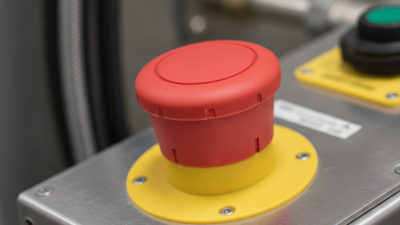
| 4. Waterproof Emergency-Stop Push Button | Often IP65 or higher at the front; the complete safety function depends on the enclosure, wiring, and safety circuit design. | Contact blocks commonly use low-current control ratings such as 2–10 A, subject to the specific safety contact block. | Usually red mushroom actuator with maintained latching action; reset by twist, pull, or key depending on design. | Typical panel openings range from approximately 22 mm to 30 mm. Provide clear access and prevent accidental obstruction. | Normally closed contacts are commonly wired in series with the control or safety circuit so that pressing the button opens the circuit. | Use a safety relay or appropriately designed safety controller where required. Do not rely on the button alone for isolation or hazardous-energy control. | Test the emergency-stop function at defined intervals. Inspect contact operation, reset action, labels, mounting security, and cable glands. | Machinery, conveyors, workshop equipment, outdoor process systems, and installations requiring accessible emergency shutdown. |
| 5. Piezoelectric Waterproof Push Button | Often available in IP67–IP68 front-panel configurations; the exact immersion duration and depth must be verified. | Generally designed for electronic signal switching rather than high-current direct loads; interface current is commonly in the milliamp range. | Electronic momentary output, usually requiring a controller, PLC input, relay, or interface circuit. | Common sizes include 16–22 mm. Installation requires a clean, rigid panel and correct sealing surface. | Usually uses low-voltage signal wiring through a connector or cable. Follow the controller input requirements and provide appropriate pull-up or pull-down circuitry. | Do not connect directly to a high-current load unless an approved interface is used. Route signal cables away from motors and high-noise power cables. | Clean the actuator surface and inspect the cable or connector seal. These switches have no mechanical contact to wear, but electronic faults generally require replacement. | Washdown environments, public terminals, marine panels, medical or laboratory equipment, and high-cycle user interfaces. |
| 6. Waterproof Rubber-Cap Push Button | Commonly IP54–IP67 depending on the cap, panel seal, and switch body; the rubber cover is the primary barrier. | Typical ratings range from 1–5 A at low-voltage DC to approximately 10 A in selected designs. | Available in momentary or latching versions, generally SPST or SPDT. | Often fits 12–16 mm panel holes. Confirm that the cap does not interfere with nearby controls or protective guards. | Wire according to the contact diagram, normally using COM and NO for momentary activation. Keep the rear connection protected from spray and condensation. | Avoid sharp edges that can cut the cap. Do not over-tighten the mounting hardware, and use a sealed cable gland for the outgoing wiring. | Check the rubber for cracks, hardening, swelling, or loss of elasticity. Replace the cap or complete switch when the cover no longer seals. | Low-cost outdoor controls, pumps, garden equipment, appliances, and equipment exposed to occasional splashing. |
| 7. High-Current Waterproof Push Button | Typically IP65–IP67 on the front when installed with the correct gasket; high-current rear connections need enclosure protection. | Common low-voltage DC ratings include approximately 10–25 A at 12 or 24 V DC; continuous current may be lower than the peak rating. | Usually momentary or latching SPST; some versions use a built-in relay or separate contactor for higher loads. | Often requires a 19–30 mm panel cutout and additional rear clearance for heavier cable lugs or terminals. | Use appropriately sized copper conductors, crimped terminals, and an inline fuse near the battery or power source. Use a relay or contactor for loads above the switch rating. | Calculate voltage drop, cable heating, and inrush current. Secure cables against vibration and keep polarity correct on DC systems. | Inspect for warm terminals, discoloration, corrosion, loose lugs, and damaged insulation. Retorque connections only according to the terminal manufacturer’s instructions. | Automotive accessories, battery systems, small pumps, lighting circuits, recreational equipment, and 12/24 V control panels. |
Choosing a Push Button Waterproof switch for global use requires more than checking its appearance. Confirm the IP rating and test conditions. IP65 may resist water jets, while IP67 usually supports temporary immersion. However, installation quality still matters. A loose panel seal can defeat a well-tested switch. Request certification copies, test reports, and material declarations before placing a large order. Requirements may differ across regions, so verify local electrical standards with a qualified professional.
Tips: Ask for samples first. Test the button with wet gloves, dust, and repeated presses. Check whether the label remains readable after cleaning. For shipping, confirm carton strength, moisture barriers, and spare-unit quantities. A small box of replacement seals can prevent expensive delays. Clarify HS codes, delivery terms, insurance, and realistic lead times. Fast shipping is not always reliable shipping.
After delivery, inspect random units before installation. Record batch numbers and photograph damaged packaging. Good technical support should provide wiring diagrams, mounting dimensions, torque guidance, and replacement advice. Response time matters when production stops. One practical mistake is trusting a certificate without checking its scope or validity. I would also question unclear promises. The cheapest option may create higher costs through returns, customs delays, or failed field tests. Support quality deserves the same attention as the switch itself.
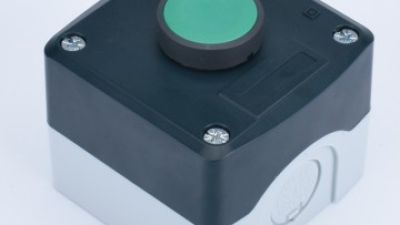
Industrial push-button control boxes remain important in modern automation because they provide a direct, dependable interface for starting equipment, testing circuits, and managing basic machine functions. Market research from MarketsandMarkets and ARC Advisory Group highlights continued interest in compact, modular control solutions as manufacturers modernize production lines, retrofit existing panels, and seek flexible components for light-industrial applications. Within this trend, a one-hole control box with a green flush push button and one normally open contact offers a practical starting-control arrangement without unnecessary complexity.
The spring-return mechanism provides immediate tactile feedback and automatically restores the button after activation, supporting consistent operation during repeated testing or start sequences. Its compact footprint simplifies installation where panel space is limited, while fast wiring can reduce labor during machine upgrades and maintenance work. With IP40/IP54 protection options, the enclosure can suit protected indoor areas, commercial facilities, and selected light-industrial environments when the appropriate rating is chosen. This type of control box is especially useful for straightforward start functions, prototype equipment, service panels, and retrofit projects that require clear operation, reliable reset action, and efficient integration with existing control systems.
: Choose a momentary switch for alarms, pumps, and controls active only while pressed. Choose a latching switch for lights or circuits that stay active after release. This small choice can prevent later rewiring.
IP65 resists dust and water jets. IP67 usually allows temporary immersion under stated conditions. IP68 requires a defined test depth and duration. Check the test conditions carefully.
No. A poor panel cutout, damaged gasket, or loose cable entry can allow water inside. Inspect the sealing surfaces during installation. Measure twice.
Measure mounting depth, panel thickness, and available clearance. Gloved operators may need a larger actuator. Compact enclosures may require a short-body design. Metal housings often handle impacts better.
Compare the switch rating with the complete load, including motor startup current. A relay may protect contacts in low-voltage control systems. Do not size the switch only from normal running current.
Use illumination when the indicator remains visible in bright sunlight or dark equipment rooms. Check visibility after cleaning and during normal operation. A dim indicator may add little value.
Request samples and test them with wet gloves, dust, water spray, vibration, and repeated presses. Check labels, seals, and actuator movement. Real testing reveals catalog gaps.
Request certification copies, test reports, material declarations, dimensions, wiring diagrams, and torque guidance. Confirm shipping terms, insurance, customs information, lead times, and spare seals. Fast shipping is not always reliable shipping. Inspect random units and damaged packaging after delivery. A certificate alone can mislead.
Choosing the right Waterproof Push Button Switch requires more than checking a product label. A truly waterproof design should provide reliable sealing against water and dust, resist corrosion, and maintain stable performance through repeated pressing and changing temperatures. Buyers should compare specifications such as ingress protection rating, voltage and current capacity, contact configuration, actuator type, panel thickness, operating life, and available mounting options. This guide reviews seven practical switch types for global buyers, including momentary, latching, illuminated, emergency-style, metal, plastic, and compact panel switches, while explaining how each suits applications such as control panels, outdoor equipment, industrial machinery, vehicles, and marine systems.
Proper installation is equally important. Correct wiring, secure panel mounting, suitable connectors, and protective cable routing help preserve water resistance and electrical safety. Regular inspection can identify loose seals, corrosion, or mechanical wear before failure occurs. For international purchasing, buyers should also evaluate recognized certifications, documentation, packaging, shipping reliability, customs requirements, warranty terms, replacement availability, and technical support. Matching electrical, environmental, and logistical requirements will help ensure dependable long-term performance.