Leave Your Message

Blog

What Are the Top 10 Industrial Push Buttons?

What Are the Top 10 Industrial Push Buttons?

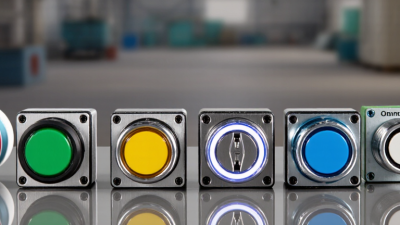
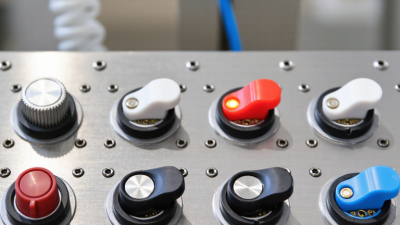
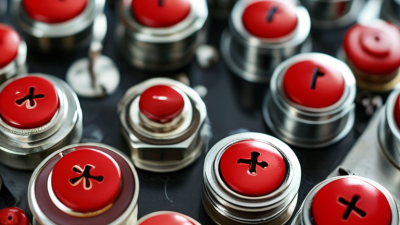
Industrial push buttons still play a key role as control interfaces in factories, machine rooms, packaging lines, and even outdoor processing setups. In this guide, we’re taking a closer look at the top 10 industrial push buttons, not just based on how they look but on how well they actually perform in real-world conditions. We’ve considered stuff like contact reliability, electrical ratings, ingress protection, how much force you need to push them, how deep they sit in their mounts, how long they last, and how operators feel about them. Brands like Schneider Electric, Siemens, Eaton, ABB, Rockwell Automation, Omron, IDEC, EAO, and Honeywell each bring their own strengths to the table — and their products aren’t exactly interchangeable. You gotta match the right button to the job. It’s the small parts that really matter. For example, a red mushroom emergency-stop button needs to be super easy to spot and reset — no fumbling around. A momentary push button should give you that satisfying click, even if your gloves are oily. And an illuminated button? It’s gotta stay visible even next to a noisy conveyor belt. Plus, a keyed selector pendant controller with two push buttons might be just what you need if you’re controlling access or operating a hoist simply. On the flip side, a sealed metal button can handle washdown conditions and impacts like a champ. The truth is, each factory is different, so it’s not one-size-fits-all. You know, Don Norman — a pretty influential guy in human-machine interface design and a former Apple Fellow — once said, “Design is really an act of communication, which means having a deep understanding of the person with whom the designer is communicating.” That totally applies here. The operator needs to understand what the button does instantly — especially when stuff’s hectic. When you’re picking a push button, it’s also worth thinking about how easy it is to find documentation, whether replacement parts are easy to get, how the terminals are designed, and if it works with what’s already in place. No single ranking is perfect. A button that works great in a clean control cabinet might struggle in dusty environments, vibrations, or cold storage. So, always check the datasheet, installation instructions, certifications, and the actual operating conditions before making a call. The most expensive isn’t always the best — it’s the one that communicates clearly and keeps working day in and day out.
Read more »
Benjamin By:Benjamin - October 3, 2026
How to Choose a Momentary Push Button Switch in 2026

How to Choose a Momentary Push Button Switch in 2026

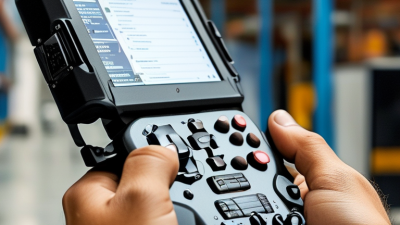
Looking ahead to 2026, when you're choosing a Momentary Push Button Switch, it's really about matching the switch to your equipment—not just how it looks. The button might be sitting on a small control panel, a bench-top device, or a machine you wear gloves with. Each setting changes what you need to pay attention to. For example, a low-profile actuator saves space, but a bigger, textured cap can be easier to find by touch when you're in a hurry. You press it, and the circuit switches; you release it, and it goes back to normal. Super simple, right? But trust me, all those tiny details actually matter. Choosing the right switch starts with understanding your electrical load—things like voltage, current, and whether you’re controlling a signal or a higher-power circuit. It’s a good idea to peek at the datasheet to check the contact setup, how many times it’s rated to switch, terminal types, and mounting sizes. Don’t forget to think about environmental factors—dust, moisture, vibration, or how hot or cold it gets where you’ll install it. You also want to consider how much force it takes to press the button. These little things all help you narrow down your options before you even install a sample and see how it really works in your panel. Sure, specifications can look pretty convincing on paper, but nothing beats testing in real-world conditions. This guide is here to help you compare different switch types and decode those specs so you can make smarter choices for your 2026 project. It also points out common mistakes, like picking a switch just because it’s cheap or ignoring depth limitations of your panel. Sometimes, folks get too hung up on a long cycle-life number without digging into the test conditions behind it—that's definitely worth a second look. By balancing documented ratings with the actual needs of your application, both buyers and designers can avoid the hassle of replacing a switch that just wasn’t right for the job from the get-go. Better safe than sorry, right?
Read more »
Sophie By:Sophie - September 28, 2026
How to Choose the Right Pushbutton Switches

How to Choose the Right Pushbutton Switches

Picking out the right Pushbutton Switches really depends on what you need them to do. For example, a switch on a small control panel might just need a simple, satisfying click that you can feel and hear. But if you're placing a button in an environment with dust, moisture, or that gets cleaned often, you’ll probably want one with better protection against the elements. These little details aren’t just about looks—they actually matter for things like reliability, safety, and making sure the operator can use the equipment without issues. Before you start comparing different models, take a moment to figure out the circuit specs, like the operating voltage, current, how much space you’ve got to work with, and how often the switch will need to be toggled. After that, think about things like contact setup, the shape of the actuator, whether it needs illumination, and the IP ratings for protecting against dust or water. Just because a metal button feels tough doesn’t automatically mean it’s right for your application—always double-check the manufacturer’s specs to see if they fit your needs. A tiny thing like a panel cutout being just a little too small can turn a quick, easy installation into a frustrating rework. There’s no one-size-fits-all switch that works for every machine or interface out there. The best choice strikes a balance between electrical specs, the environment it’s in, how users interact with it, and how much maintenance it’ll need. And don’t forget—after it’s installed, it’s smart to test the switch in its real-world setting to make sure everything runs smoothly. No matter how clear the product description sounds, a quick hands-on check beats just reading specs. In this guide, I’ll cover the main factors to consider, common trade-offs, and some practical questions you should ask before buying. Keep in mind, requirements can change once you see how the switch performs in its actual environment, so it’s good to leave some wiggle room rather than sticking rigidly to the initial specs.
Read more »
Benjamin By:Benjamin - September 25, 2026
China Best Illuminated Push Button Supplier?

China Best Illuminated Push Button Supplier?

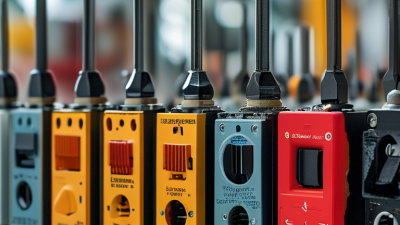
Picking out the best illuminated push button supplier in China isn’t just about looking at prices in the catalog — there’s more to it. According to reports from Grand View Research and MarketsandMarkets, demand for reliable human-machine interfaces keeps climbing, especially in factory automation, control panels, and equipment upgrades. So yeah, these trends open up some great opportunities, but they also mean you’ve got to be careful and watch out for potential risks. Just because a button has a bright ring around it, doesn’t mean it’s guaranteed to switch safely or reliably. A good supplier should back their products with solid technical proof. Don’t just take their word for it — check out contact ratings, electrical and mechanical lifespan, ingress protection ratings, operating temperatures, and mounting sizes. It’s also a smart move to ask for test reports that show compliance with standards like IEC 60947-5-1, RoHS, CE, or UL. The right illuminated push button should stay easy to read even in harsh lighting, and it should work smoothly whether you’re wearing gloves or not. Little things matter — like how firm the actuator feels, whether the LED brightness stays stable, and that the terminals are sealed tightly. You can really see how experienced a supplier is when you get samples. Do they clearly explain any tolerances or variations? Are they able to provide traceable materials, detailed inspection records, and support if anything needs to be replaced? Big brands like Bulgin, Schneider Electric, and Eaton set some solid standards in documentation and product quality, which can serve as good benchmarks. Chinese manufacturers often offer great customization options, quick tooling, and faster communication — but keep in mind, quality can vary a lot from one factory to another. Remember, a low price doesn’t automatically mean good quality, so don’t just rely on that. It’s smart to test out samples in real-world conditions — do repeated presses, check for vibration resistance, exposure to moisture, and how well the color stays visible. Review the supplier’s history — how quickly they respond, how thorough their audits are, and so on. Still, even thorough testing can’t catch everything — some issues only show up after actual use in the field. So, the best decision usually comes down to balancing certification, experience, the ability to customize, and reliable after-sales support.
Read more »
Benjamin By:Benjamin - September 21, 2026
What Are the Top 10 Types of Selector Switches?

What Are the Top 10 Types of Selector Switches?

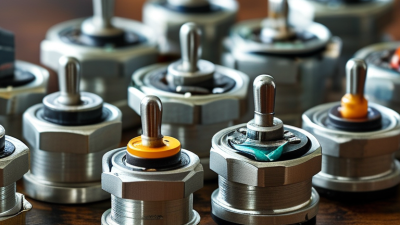
You might think selector switches are pretty simple—they just look like a basic metal knob, right? But don’t let the small size fool you. Inside, they hold the power to shape how machines actually respond. When you turn that knob, contacts either open, close, or hold a circuit in a specific position. And behind that simple twist are some pretty important decisions about voltage, current, sealing, operator safety, and how long it takes to perform maintenance. Interestingly, the industrial automation world is booming. According to a 2024 report from Grand View Research, more factories are jumping on board with connected controls—basically, more integrated, smarter systems. Similarly, MarketsandMarkets highlights how increasing automation investments are driving the demand for industrial controls. Now, these reports don’t talk about selector switches alone, but they clearly show why having reliable control options for operators is still super important—alongside PLCs, HMIs, and sensors connected over networks. John R. Ridley, a control system expert, puts it simply: “A selector switch isn’t just an input; it’s a decision made visible to the operator.” That’s a key point. A switch that stays in one position can keep a pump in manual mode, or a quick press can trigger a short action. Plus, a key-operated switch can limit who has access, though it shouldn’t replace proper safety systems altogether. In this guide, we’re going to look at the top 10 types of selector switches used across industrial panels, machinery, transportation gear, and process controls. We’ll compare their positions, contact setups, how they’re mounted, their environmental protections, and where they’re typically used. Keep in mind, these categories often overlap, and it’s easy to miss that. Sometimes, the cheapest switch might end up costing more in the long run—maybe it’s prone to dust, vibration, or confusing labels. Picking the right switch isn’t just about how it looks; it’s really about choosing one that best matches how humans operate with its electrical behavior. Hopefully, this gives you a clearer picture of what to consider when selecting a switch for your controls—because the right choice can make all the difference in keeping things safe and running smoothly.
Read more »
Isabella By:Isabella - September 16, 2026
Top Push Button On Off Switches for Global Buyers

Top Push Button On Off Switches for Global Buyers

Picking the right push button on/off switch can really make a difference in safety, uptime, and giving operators confidence—whether you're in manufacturing, labs, or just about any industry. If you're shopping around, folks usually compare things like contact ratings, mounting sizes, actuator styles, terminal designs, and how well it handles tough environments before hitting that 'buy' button. On the surface, a switch might look simple, but inside, its build quality really decides how reliably it’ll keep working after thousands of cycles. This guide dives into the practical stuff for control panels, machinery, lab equipment, lighting setups, or industrial workstations. We look at options like momentary vs. maintained actions, normally open vs. normally closed contacts, LED indicators, and how well they resist dust or moisture. For example, that Push On Push Off Light Switch is handy when you want a clear, retained light command—just don’t pick it based on looks alone. Of course, buying decisions aren’t just about specs. You'll want to check out datasheets, run some samples, chat with suppliers, and keep quality consistent. Big brands like Schneider Electric, Eaton, Siemens, and C&K have solid options, but availability and details can vary depending on where you are. Always double-check operating temperatures, electrical loads, lifespan ratings, and make sure everything fits your specific needs. Local installation rules are still a thing, so don’t forget those. Little details can make all the difference. Going for a cheap model might save some cash upfront, but if the actuator is weak or the terminals don’t fit properly, you’ll likely regret it later on. On the flip side, just because a switch is expensive doesn’t mean it’s automatically the best pick. This guide compares top push-button options based on real-world info—though, of course, some products may need a closer look, especially if they’ll face vibration, frequent cleaning, or outdoor conditions. The key to reliable sourcing? Transparent specs, responsive tech support, and, ideally, a thorough inspection before buying in bulk.
Read more »
Benjamin By:Benjamin - September 13, 2026
7 Best Waterproof Push Button Switches for Global Buyers

7 Best Waterproof Push Button Switches for Global Buyers

Picking out the right Waterproof Push Button Switch is more than just about looks or getting a low price. It’s really about protecting your equipment from rain, dust, splashes, and everyday mishaps. For folks shopping from all over the world, the decision isn't just a matter of appearance — there's more to consider. You’ve gotta look into the enclosure design, sealing quality, contact materials, mounting size, and how well it switches, too. In this guide, I’ve rounded up seven solid options suited for control panels, outdoor lighting, industrial machinery, marine gear, or public facilities. Remember, the key is to match each product to its environment. A high IP rating is helpful for showing resistance to water and dust, but it doesn’t tell the whole story. Things like cable entry points, gasket compression, temperature swings, and how you maintain things all play a part in how well it really performs. Pro tip: details matter, even the tiny ones. When you're comparing different products, experienced buyers always ask for datasheets, detailed drawings, test results, and samples before they commit to buying large quantities. Brands like APEM, NKK Switches, E-Switch, and Otto Controls are pretty well known in the switch world. But just because they’re big names doesn’t mean their switches will work perfectly in every situation. A switch that does great in testing labs might not hold up so well near salty seawater, vibrations, harsh cleaning chemicals, or constant impacts. That’s something easy to overlook. Now, I want to make it clear — this isn't a one-size-fits-all list. Every country or project might have specific requirements—like certification standards, voltage needs, import paperwork, and local installation rules. It’s always best to double-check these details with qualified engineers or your suppliers. The seven options I’ve listed focus on reliability, user feedback, clear specs, and overall value in different setups. Sure, there are compromises — that’s just part of the game. Ultimately, the best switch is the one that actually fits your environment perfectly, not just the one that looks the strongest. Sometimes, the simplest or most practical choice is the smartest one in the long run.
Read more »
Benjamin By:Benjamin - September 10, 2026
China Top 10 LED Push Button Switch Manufacturers?

China Top 10 LED Push Button Switch Manufacturers?

China’s LED push button switch industry plays a crucial role in controlling panels, industrial machinery, elevators, vehicles, and smart gadgets. Manufacturers are always in competition—focusing on contact reliability, LED brightness, sealing ability, and how quickly they can customize orders. You know, even a tiny switch can be responsible for running an entire big production line. Crazy, right? According to industry reports, demand for these switches is pretty steady. For example, Grand View Research predicts that the global market for industrial controls and switches will keep growing, thanks mainly to factory automation and smarter manufacturing processes. MarketsandMarkets also points out that control panels, machinery, and transportation are big application fields for pushbuttons. But here’s the thing—market numbers can vary pretty a lot depending on how you define products and what regions you look at. So, yeah, that’s something to keep in mind. This guide looks at ten Chinese manufacturers, and we base our choices on some practical factors—things like how long they’ve been in the game, their production capacity, testing methods, product variety, export support, and how well they handle compliance stuff. Depending on where you’re planning to sell, standards like IEC 60947-5-1, RoHS, CE, and UL might play a role in your decision. You might come across companies like HONGJU, some C&K-style Chinese suppliers, TAIWAY, and others who focus on specialized switches. Keep in mind, though, that the rankings aren’t set in stone—they can change as companies grow or improve. A solid LED push button switch supplier should be able to give you clear technical drawings, data about electrical ratings, proof of testing, and traceable quality records. Before placing an order, make sure to check things like button travel, panel thickness, contact resistance, and LED voltage—don't be shy about asking for proof. Some suppliers might boast a big catalog and pretty brochures but provide little technical detail—this isn’t necessarily a red flag, but it’s worth being cautious. The real good stuff comes from factory audits, verified certifications, and getting sample products to test yourself. This intro is meant to help you compare China’s top manufacturers more accurately, though remember—what’s 'top' really depends on your specific needs like application, budget, order size, and how much risk you’re willing to take.
Read more »
Isabella By:Isabella - September 6, 2026
Top Red Push Button Suppliers in China for Global Buyers?

Top Red Push Button Suppliers in China for Global Buyers?

China has really become a major player when it comes to supplying Red Push Buttons. These little things might seem small, but they're super important across a bunch of industries—think manufacturing, auto, electronics, you name it. For folks around the world looking for reliable suppliers, it’s pretty crucial to understand what's out there. The demand for safe and high-quality push buttons is only growing, and in this article, we’ll take a look at some top suppliers who simply get it right every time. Finding the right source isn’t always straightforward, though. Some manufacturers might make glowing promises about quality but then drop the ball on delivery or consistency. So, it’s vital to make sure any Red Push Button supplier you consider actually meets international standards. Companies with a solid reputation tend to be more trustworthy—they focus on efficient production and keeping quality in check. Plus, many of them go the extra mile by investing in good customer service, making communication easy and hassle-free. The options out there can feel overwhelming, but some suppliers really stand out thanks to their experience and proven track records. Doing good old-fashioned research is key—checking customer reviews and industry feedback can save you a headache down the line. When you choose the right supplier, it’s not just about the product; it can really boost your project's safety and efficiency in the long run.
Read more »
Isabella By:Isabella - September 1, 2026
Top Tips for Choosing Pushbutton Switches for Your Projects?

Top Tips for Choosing Pushbutton Switches for Your Projects?

Getting the right pushbutton switches really can't be overstated these days, especially as the world of electrical components keeps evolving. I recently came across a report from Grand View Research that predicted the global market for these little buttons is set to hit around $XX billion by 2027—that’s some serious growth! It just goes to show how crucial they’ve become, not just in everyday gadgets but also in bigger industrial setups. Picking out the perfect pushbutton switch isn’t just about looks, either. You’ve gotta think about durability, design, and what exactly you’re gonna use it for. Honestly, a lot of designers miss some of the key specs, which can lead to headaches later on. Like, not all switches can handle harsh outdoor conditions—something to keep in mind if you’re working outdoors. Skipping over that could mean more repairs or project hold-ups, and nobody wants that. Brands like Omron and Schneider Electric offer tons of options, but let’s be real—sorting through all that can get pretty overwhelming. That’s why it’s super important to really understand what each switch can do and how it performs in real-world settings. Things like how it feels when you press it, or how long it lasts, can make a big difference in how users experience it and how smoothly your project runs. Pick the wrong one, and you might end up with frustration or operational hiccups. So, taking a little extra time to pick the right switch really pays off in the end.
Read more »
Benjamin By:Benjamin - August 16, 2026